
How to Alleviate Tinnitus Caused by Noise Exposure
Managing Tinnitus Induced by Noise Exposure: Evidence-Based Strategies for Relief and Prevention Noise-induced tinnitus, often described as a persistent ringing, buzzing, or hissing sound in the ears
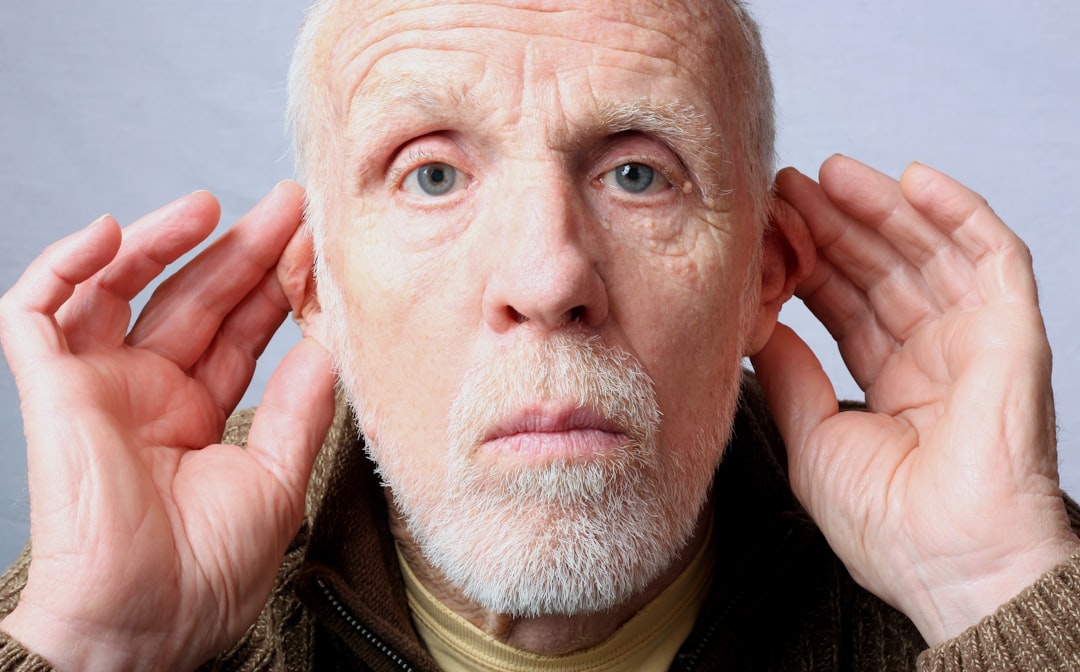
Managing Tinnitus Induced by Noise Exposure: Evidence-Based Strategies for Relief and Prevention
Noise-induced tinnitus, often described as a persistent ringing, buzzing, or hissing sound in the ears without an external acoustic source, is a common consequence of prolonged or intense exposure to loud sounds. This condition affects millions of individuals worldwide and can significantly impact quality of life, sleep patterns, and mental health. While there is no universal "cure" for chronic tinnitus, several evidence-based approaches can help manage symptoms and prevent further auditory damage.
The primary mechanism behind noise-induced tinnitus involves damage to the hair cells within the cochlea of the inner ear. These delicate sensory cells convert sound waves into electrical signals for the brain. When exposed to excessive decibel levels—such as those found at concerts, construction sites, or through personal audio devices—the hair cells can become traumatized or die off. The brain may then compensate for the lack of input from these damaged cells by generating phantom sounds, resulting in tinnitus.
Immediate cessation of noise exposure is the first critical step. Individuals experiencing sudden onset tinnitus after a noisy event should allow their ears to rest in a quiet environment for at least 16 to 48 hours. During this period, avoiding further auditory stress allows the auditory system to recover partially if the damage is temporary threshold shift rather than permanent.
For long-term management, sound therapy has emerged as a widely recommended intervention. This approach involves using background sounds—such as white noise, pink noise, nature sounds, or specialized hearing aids with masking features—to reduce the contrast between the tinnitus signal and the surrounding silence. By making the tinnitus less noticeable, sound therapy can help habituate the brain to the sound, reducing the distress associated with it. Many patients find relief using smartphone applications designed specifically for tinnitus management or dedicated bedside sound machines.
Cognitive Behavioral Therapy (CBT) is another clinically validated method for managing the psychological impact of tinnitus. While CBT does not eliminate the sound itself, it helps patients change their emotional and behavioral responses to tinnitus. Studies have shown that CBT can significantly reduce anxiety, depression, and the perceived burden of tinnitus, leading to improved overall well-being.
Lifestyle modifications also play a crucial role in symptom management. Stress is a known exacerbating factor for tinnitus; therefore, relaxation techniques such as mindfulness meditation, deep breathing exercises, and regular physical activity can be beneficial. Additionally, limiting the intake of stimulants like caffeine and nicotine, which can increase blood flow and potentially heighten tinnitus perception, may provide some relief for certain individuals.
Prevention remains the most effective strategy. Using appropriate hearing protection, such as earplugs or earmuffs, in noisy environments is essential. The National Institute for Occupational Safety and Health (NIOSH) recommends keeping exposure below 85 decibels for extended periods. For personal listening devices, following the 60/60 rule—listening at no more than 60% volume for no more than 60 minutes at a time—can help preserve hearing health.
If tinnitus persists, interferes with daily activities, or is accompanied by hearing loss, dizziness, or pain, consultation with an audiologist or an otolaryngologist (ENT specialist) is imperative. They can perform comprehensive hearing tests to assess the extent of any auditory damage and recommend personalized treatment plans, which may include hearing aids, counseling, or other therapeutic interventions.
In conclusion, while noise-induced tinnitus can be a challenging condition, a combination of immediate protective measures, sound therapy, psychological support, and lifestyle adjustments offers a robust framework for management. Prioritizing hearing hygiene and seeking professional guidance early on are key steps toward maintaining auditory health and improving quality of life.