WeChat Contact
Telegram Contact
✈️ 240-Hour Visa-Free Transit · Direct Hospital Payment

World-Class Medical Care in China
240-Hr Visa-Free & Direct Hospital Payment

Seamlessly connect with 100+ top Grade 3A academic hospitals. All medical fees paid directly to hospitals with zero agency markup, plus full 240-hour visa-free entry support.

240h
Visa-Free Transit
54 Countries Supported
0%
Direct Hospital Payment
Zero Hidden Agency Markup
100+
Top Partner Hospitals
National Medical Centers
80%
Average Cost Savings
Compared to US / EU

All-in-One Cross-Border Services

Professional, rigorous, and caring medical concierge process to ensure a smooth journey.

Medical Visa Assistance

Full-service M-visa processing with official hospital invitation letters for smooth entry.

View Visa Process

Dedicated Medical Companions

Medical-background interpreters and escorts accompany you throughout your hospital stay.

Meet Our Escorts

Priority Fast-Track Booking

Skip waiting lists and secure direct appointments with top specialists at Grade 3A hospitals.

Explore Hospitals
WHY CHINA?

Break Cross-Border Barriers,
Choose Efficient & Advanced Care in China

China combines vast clinical databases with cutting-edge medical devices, excelling globally in complex treatments with unbeatable value.

Unbeatable Cost Advantage

Total healthcare expenses are only 1/5 to 1/10 of North America or Europe.

Zero Wait Times

No multi-month delays; start comprehensive checkups and surgeries immediately.

Cutting-Edge Technology

Widespread adoption of Heavy Ion therapy, Proton beam, and da Vinci Robotic surgery.

VIP Concierge Care

Includes luxury stays, private airport transfers, and integrative TCM rehabilitation.

Featured Clinical Specialties & Care Fields

Explore clinical expertise, treatment cost estimates, and care facilitation across top hospitals.

Explore Specialties
✈️ Explore By City

Top Medical Tourism Destinations

Select your destination by clinical specialties, top hospitals, and travel conveniences.
View All Destinations →
Beijing China Medical Tourism Destination & Top Grade 3A Hospitals Overview
🛂 144h Visa-Free

Beijing Explore →

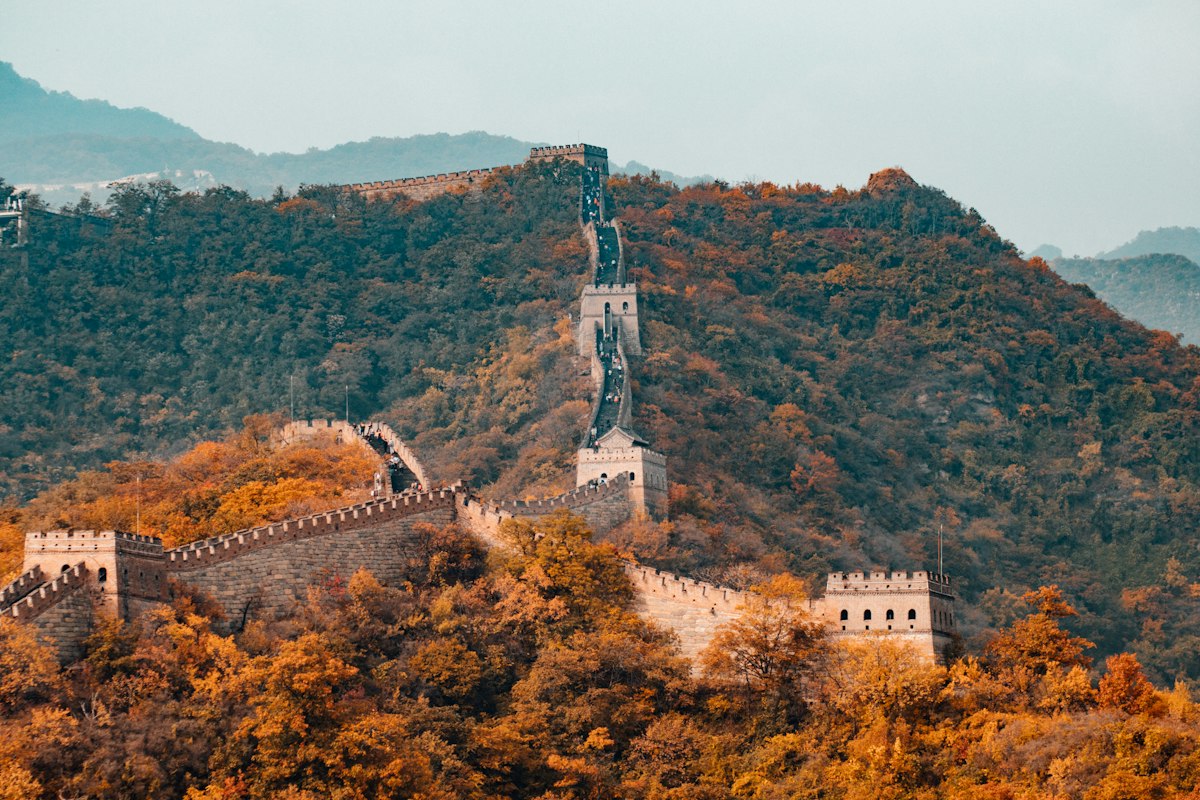
As China’s capital and a globally renowned city of history and culture, Beijing uniquely combines millennia-old imperial heritage with cutting-edge medical capabilities—making it a premier hub for international medical tourism. Its distinctive appeal lies in ‘integration of Eastern and Western medicine, synergy of healthcare and cultural travel’: a dense concentration of top-tier Class-3 Grade-A hospitals, profound traditions in Traditional Chinese Medicine (TCM), and world-class cultural landmarks—including the Forbidden City and the Great Wall—enabling patients to experience holistic, human-centered wellness philosophy alongside efficient, high-quality care.Key Specialties & Medical ResourcesBeijing hosts China’s most elite medical cluster: PUMC Hospital, Peking University People’s Hospital, and PLA General Hospital (301 Hospital) lead internationally in precision oncology, organ transplantation, neurosurgery, cardiovascular interventional therapy, and integrated TCM-Western rehabilitation. Under the State Administration of Traditional Chinese Medicine, Guang’anmen Hospital and Xiyuan Hospital represent the highest national standards in TCM—particularly excelling in chronic disease management, adjunctive cancer care, and sub-health intervention. With over 60 Class-3 Grade-A hospitals citywide, international departments routinely offer multilingual services, priority appointment access, transparent pricing, and end-to-end concierge support.Sights & Restorative LeisureA balanced blend of ecological serenity and cultural healing: the Summer Palace, Beihai Park, and Olympic Forest Park provide tranquil natural settings for recuperation; slow-paced hutong walking routes and the historic Nanluoguxiang cultural district support gentle mind-body regulation; while the suburban Yanqing Horticultural Expo Park, Miyun Reservoir, and Huairou Yanqi Lake form the ‘Northern Beijing Wellness Corridor’—featuring pristine air, seasonal clarity, and ideal conditions for post-operative recovery and long-term health management.Transportation & Cost of LivingDual airport hubs (PEK and PKX) serve over 90 countries directly, ensuring convenient international connections; Beijing’s comprehensive metro network covers the entire city, with all Class-3 Grade-A hospitals accessible via dedicated subway stations. Compared to Europe, North America, Japan, and South Korea, outpatient fees at Beijing’s international clinics range from ¥800–¥3,000 RMB per visit, while MRI/CT scans cost only one-quarter to one-third of those in developed countries. High-quality hotel stays, authentic local cuisine, and immersive cultural experiences average ¥500–¥1,200 RMB per person per day—delivering exceptional value and positioning Beijing as Asia’s top-tier, high-quality, cost-effective destination for medical tourism.

✈️ Est. Flight Duration Direct Flights
Duration: Approx. 14h 8m
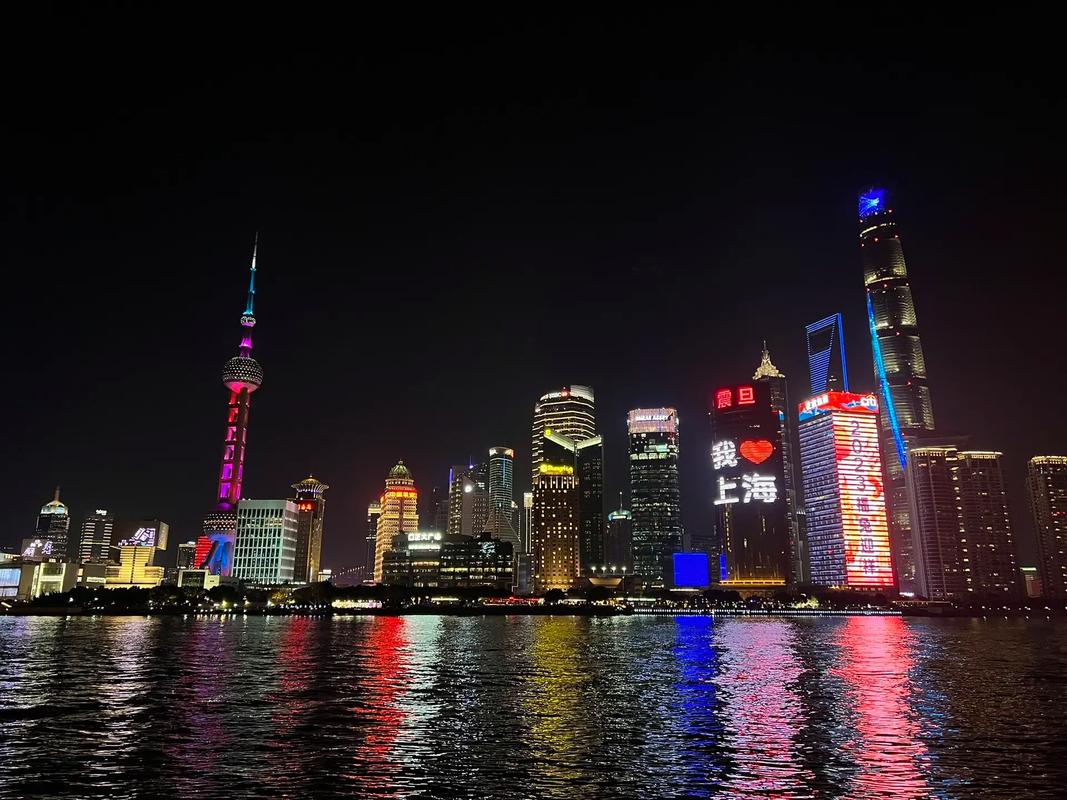
Shanghai China Medical Tourism Destination & Top Grade 3A Hospitals Overview
🛂 144h Visa-Free

Shanghai Explore →

Shanghai—the international gateway to China’s medical tourism and a new benchmark for healthy living. As one of the world’s most dynamic megacities, Shanghai integrates cutting-edge medical science, rich ‘Haipai’ (Shanghai-style) culture, and premium wellness services to deliver an integrated ‘diagnosis + rehabilitation + cultural travel’ medical tourism ecosystem. International patients benefit from multilingual guidance, direct billing for international health insurance, expedited visa processing, and dedicated bilingual health managers who accompany them throughout their entire care journey—from airport pickup and accommodation to clinic consultations, diagnostics, and medication collection—consistently ranking Shanghai as China’s top destination for medical tourism.Key Specialties & Medical ResourcesShanghai hosts nationally leading institutions: Zhongshan Hospital Fudan University (top-three nationally in cardiovascular interventional therapy); Ruijin Hospital (National Center for Endocrinology and Metabolism); Huashan Hospital (Asia-leading in neurosurgery and dermatology); Renji Hospital (renowned for reproductive medicine and organ transplantation); and Shanghai Proton and Heavy Ion Hospital (China’s first and Asia-Pacific’s premier particle therapy center). The city is home to 35 Class-3 Grade-A hospitals—nearly 90% of which operate dedicated international departments—and performs over 10,000 da Vinci robotic-assisted surgeries annually. It also leads China in clinical trial volume.Sights & Wellness IntegrationThe historic Bund architectural corridor harmonizes with the futuristic Lujiazui skyline; Jing’an Temple and Yu Garden reflect Jiangnan cultural heritage; Chongming Dongtan Wetland and Sheshan National Forest Park provide natural oxygen-rich sanctuaries and TCM wellness bases; multiple premium private hospitals are strategically located near waterfront wellness communities such as Xuhui滨江 (Binjiang) and Qiantan, offering complementary recovery programs including thermal spa therapy, Tai Chi and Zen meditation, and personalized nutritional counseling.Transportation & Cost of LivingWith dual-airport operations—Pudong (PVG) and Hongqiao (SHA)—Shanghai connects directly to 100+ global cities. Its 20-line metro network covers the entire municipality, with every Class-3 Grade-A hospital accessible via direct metro stations. Compared to peer services in Europe and North America, precision radiotherapy for oncology at Shanghai’s Class-3 Grade-A international departments costs 40–60% less; coronary artery bypass grafting offers over 30% greater value than comparable procedures in Japan or Singapore. Luxury hotel double rooms average ¥600–900/night; authentic local Shanghainese cuisine ranges ¥80–150 per person. Overall, the combined cost of medical care and wellness stays in Shanghai is just one-third to one-half that of developed countries.

✈️ Est. Flight Duration Direct Flights
Duration: Approx. 15h 14m
Chongqing China Medical Tourism Destination & Top Grade 3A Hospitals Overview
🛂 144h Visa-Free

Chongqing Explore →

[Chongqing]——Mountain City · Fog Capital · A New High Ground for Medical Tourism! As the only municipality directly under the Central Government in China's central and western regions, a national central city, and a pivotal hub linking the Belt and Road Initiative and the Yangtze River Economic Belt, Chongqing is rapidly emerging as a premier international destination for medical tourism—powered by its 'three-dimensional magical' urban landscape, profound Bayu cultural heritage, and a thriving smart healthcare ecosystem. Here, high-quality medical services are supported by a cluster of Grade-A tertiary hospitals; natural wellness resources abound where mountains, rivers, forests, and hot springs converge; and world-class clinical experiences—comparable to those in first-tier cities—are offered at highly accessible prices. This truly delivers the promise of 'effective treatment, holistic recovery, enjoyable travel, and exceptional value.' Key Specialties and Healthcare Resources Chongqing hosts 12 Grade-A tertiary hospitals, including Southwest Hospital affiliated with the Army Medical University of PLA (top three nationally in burn care and hepatobiliary surgery), Xinqiao Hospital (National Clinical Research Center for Cardiovascular Diseases), First Affiliated Hospital of Chongqing Medical University (leadership in neurology and organ transplantation), and Chongqing Cancer Hospital (the largest specialized oncology center in Southwest China). Two national regional medical centers have been established; telemedicine services cover all five provinces in Southwest China; cutting-edge facilities—including proton therapy centers, Da Vinci surgical robots, and AI-powered medical imaging diagnostic platforms—are widely deployed; and the International Medical Service Department offers multilingual, full-process companion services and direct billing for international health insurance. Attractions and Wellness Retreats Chongqing boasts UNESCO World Natural Heritage sites such as Wulong Karst (the Three Natural Bridges and Fairy Mountain Grassland), the Lesser Three Gorges—the gateway to the Yangtze River Three Gorges—as well as Jinyun Mountain National Forest-based Wellness Base and the Beibei Hot Spring Cluster. Cultural landmarks like Hongyadong, Ciqikou Ancient Town, and the Two-River Night Cruise vividly reflect local humanistic vitality. The city’s forest coverage rate stands at 55.4%, with an annual average negative oxygen ion concentration exceeding 2,000/cm³. Twenty-seven municipal- or higher-level TCM Health Tourism Demonstration Bases have been established, enabling customized wellness itineraries combining 'post-operative rest + TCM regulation + light hiking'. Transportation and Daily Living Costs Chongqing Jiangbei International Airport operates direct flights to over 30 countries—including London, Tokyo, and Singapore—and Terminal 3 features a Green Channel exclusively for international medical travelers. Within the city, six metro lines form an integrated network; high-speed rail connects Chengdu and Xi’an in just three hours—seamlessly integrating Chongqing into China’s nationwide medical service network. Medical expenses cost only 60%–70% of those in Beijing, Shanghai, Guangzhou, and Shenzhen: premium outpatient visits at Grade-A tertiary hospitals range from ¥300–800 per session; comprehensive high-end health check-up packages cost ¥3,000–6,000; four-star hotels average ¥300–500 per night; and daily meals—including hotpot and Xiaomian noodles—cost ¥20–50 per person. Chongqing thus offers outstanding overall cost-effectiveness.

✈️ Est. Flight Duration Connecting Flights
Duration: Approx. 21h 37m
Guangzhou China Medical Tourism Destination & Top Grade 3A Hospitals Overview
🛂 144h Visa-Free

Guangzhou Explore →

Guangzhou—a new global highland for medical tourism where a millennium-old commercial metropolis converges with the enduring legacy of Lingnan medicine. As a national central city and core engine of the Guangdong-Hong Kong-Macao Greater Bay Area, Guangzhou integrates profound Traditional Chinese Medicine (TCM) traditions—including the Lingnan School of Warm Disease Theory and century-old TCM brands like Chen Li Ji—with cutting-edge precision medicine and internationally benchmarked service standards. It delivers a holistic ‘treatment + rehabilitation + cultural immersion’ ecosystem. International patients benefit from multilingual medical guidance, cross-border health insurance direct billing, and integrated treatment pathways combining TCM regulation and modern rehabilitation—ensuring both clinical efficacy and humanistic depth.Key Specialties & Medical ResourcesHome to 12 Grade-A Class-3 hospitals, including Sun Yat-sen University First Affiliated Hospital (top 5 nationally in comprehensive rankings), Guangdong Provincial People’s Hospital (National Clinical Research Center for Cardiovascular Diseases), and the First Affiliated Hospital of Guangzhou University of Chinese Medicine (National TCM Clinical Research Base). Guangzhou excels internationally in tumor radiotherapy (with proton and carbon-ion therapy under development), organ transplantation, TCM-integrated preventive healthcare (‘Zhi Wei Bing’), pediatric rare disease diagnosis and treatment, and assisted reproductive technologies. The city hosts over 40 Class-3 hospitals and 67 national key clinical specialties—the highest annual volume of international patient services in South China.Sights & Restorative ExperiencesBoasting natural sanctuaries such as Baiyun Mountain (‘the finest peak in Lingnan’), the iconic Pearl River Night Cruise waterway, ancient temples like Liurong Temple, and the historic Nanyue King Palace Ruins; world-class leisure destinations including Chimelong Resort and Nansha Wetland Park offer balanced active-passive wellness settings; while Cantonese morning tea culture, classical Lingnan gardens (e.g., Yuyin Shanfang), and therapeutic hot springs (along the Liu Xi River in Conghua) are seamlessly woven into recovery regimens—realizing the philosophy of ‘healing within scenery, nurturing through daily life’.Transportation & Cost of LivingGuangzhou Baiyun International Airport ranks among the world’s busiest (over 63 million passengers in 2023), with nonstop connections to 90+ global cities. Its metro network exceeds 600 km—serving all Class-3 hospitals and major attractions. Medical costs are just 1/4–1/3 those in North America or Western Europe: premium outpatient consultations range from ¥800–2,500 per visit; comprehensive executive health checkups cost ¥3,000–8,000; five-star hotel double rooms average ¥400–800 per night; and authentic Cantonese dim sum costs ¥30–60 per person—delivering exceptional value without compromise.

✈️ Est. Flight Duration Connecting Flights
Duration: Approx. 22h 34m
Shenzhen China Medical Tourism Destination & Top Grade 3A Hospitals Overview
🛂 144h Visa-Free

Shenzhen Explore →

[Shenzhen] As a pioneering window of China's reform and opening-up and a global innovation hub, Shenzhen drives a new paradigm of medical tourism through the dual engines of ‘technology + health’. Here, international service concepts, cutting-edge digital healthcare technologies (e.g., AI-assisted diagnosis, teleconsultation, precision oncology treatment) and a highly standardized Class-III Grade-A hospital system converge to deliver efficient, confidential, and human-centered cross-border medical experiences for patients worldwide. Barrier-free language services, multilingual guidance systems, and integrated medical tourism platforms (e.g., ‘Shen-Gang Medical & Wellness Link’) significantly enhance accessibility—making Shenzhen the premier medical tourism hub of the Guangdong-Hong Kong-Macao Greater Bay Area. Key Specialties and Medical Resources Shenzhen hosts 12 Class-III Grade-A hospitals, including The Seventh Affiliated Hospital of Sun Yat-sen University (a national regional medical center), University of Chinese Academy of Sciences Shenzhen Hospital, and Shenzhen People’s Hospital (a Guangdong Provincial High-Level Hospital Construction Unit). Its capabilities in oncology radiotherapy (with ongoing deployment of proton and heavy-ion therapy), cardiovascular intervention, neurosurgery (clinical translation of brain-computer interfaces), reproductive medicine (over 12,000 IVF cycles annually), and pediatric rare disease diagnosis and treatment rank among the nation’s top tier. The city has established 27 municipal clinical medical research centers and engages in deep specialty-level collaborations with The University of Hong Kong and the National University of Singapore. Attractions and Wellness Retreats Shenzhen boasts natural wellness spaces such as Dapeng Peninsula National Geopark, Wutong Mountain National Scenic Area, and the Shenzhen Bay Mangrove Ecological Promenade. The Eastern Coastal Boardwalk, OCT Loft Creative Park, and Qianhai Stone Park harmoniously blend natural serenity with urban vitality. With a citywide greening coverage rate of 43.5% and an annual average PM2.5 concentration of only 18 µg/m³, Shenzhen has been honored as a ‘National Forest City’ and an ‘International Garden City’—offering an ideal environment for postoperative recovery and chronic disease management. Transportation and Living Costs Shenzhen Bao’an International Airport handles over 50 million passengers annually, offering direct flights to 50+ cities worldwide; its Terminal 3 features an international medical green channel. The city’s metro network spans over 550 kilometers, covering all Class-III Grade-A hospitals. A single outpatient visit at a Class-III Grade-A hospital costs approximately ¥200–¥500; the average price for a cardiac stent procedure is around ¥38,000 (just one-fifth of that in Europe and the U.S.); premium health checkup packages range from ¥2,000 to ¥6,000; and five-star hotel accommodation averages ¥400–¥700 per night—overall medical and living costs are 15%–25% lower than those in Beijing, Shanghai, and Guangzhou, delivering outstanding cost-effectiveness.

✈️ Est. Flight Duration Connecting Flights
Duration: Approx. 22h 41m
Wuhan China Medical Tourism Destination & Top Grade 3A Hospitals Overview
🛂 144h Visa-Free

Wuhan Explore →

Wuhan — A vibrant health-and-wellness city on the banks of the Yangtze River, hailed as the 'Medical Capital of Central China'. As one of China’s first pilot cities for medical tourism, Wuhan seamlessly integrates millennia-old Jingchu cultural heritage, dynamic urban vitality, and cutting-edge medical capabilities to deliver a holistic 'treatment + mental restoration + joyful exploration' medical tourism experience. With its four distinct seasons, 166 urban lakes scattered like stars, continuously improving air quality, smart health service stations, TCM culture districts, and internationally accredited rehabilitation centers, Wuhan stands out nationally as a rare integrated health destination where patients can receive care, rest deeply, and explore leisurely.Key Specialties and Medical ResourcesWuhan hosts two top-5 comprehensive hospitals nationwide (Fudan University Ranking): Tongji Hospital and Union Hospital—alongside eight leading Grade-A tertiary specialty hospitals including Zhongnan Hospital of Wuhan University and Hubei Provincial Cancer Hospital. It holds national leadership in five key domains: organ transplantation (performed Central China’s first lung transplant), neurosurgery (pioneering interventional treatment for cerebrovascular diseases), precision radiotherapy for oncology (a proton therapy center under construction), TCM-based rheumatology and immunology (a National Regional Diagnosis & Treatment Center), and assisted reproductive technology (highest annual treatment cycles in Central China). The city is home to 29 Grade-A tertiary hospitals and over 15 internationally certified healthcare providers offering multilingual guidance and cross-border health insurance direct settlement.Attractions and Wellness RetreatsWuhan boasts iconic cultural landmarks including the Yellow Crane Tower, East Lake Scenic Area—the largest urban lake in China—featuring three wellness-focused zones: Tingtao (Listening to Waves), Moshan (Moss Mountain), and Luoyan (Falling Wild Geese); and Guiyuan Zen Temple. East Lake Greenway has been named one of the 'World’s Most Beautiful Greenways', complete with forest oxygen bars, Tai Chi plazas, TCM wellness walking paths, and a cluster of lakeside rehabilitation guesthouses. Tangxun Lake and Liangzi Lake offer distinctive wellness experiences such as aquatic therapy and wetland meditation. Each year, the city draws global health travelers during the cherry blossom season (March–April) and ginkgo season (November).Transportation and Living CostsWuhan Tianhe International Airport operates 32 international routes—including Tokyo, Seoul, Singapore, Paris, and Istanbul—with a dedicated green channel for international medical travelers at Terminal 3. The city’s metro system spans over 500 kilometers, providing direct subway access to all Grade-A tertiary hospitals. A single outpatient visit at a Grade-A hospital costs approximately ¥200–¥500; MRI scans average ¥800—just 1/5 to 1/8 the cost in Europe or North America. Four-star hotels average ¥350 per night; specialty wellness guesthouses range from ¥200–¥400 per night. The total cost for a 7-day medical + cultural tourism package—including consultations, diagnostics, accommodation, and local experiences—is roughly one-third that of comparable services in developed countries—offering exceptional value.

✈️ Est. Flight Duration Connecting Flights
Duration: Approx. 21h 23m

AI Medical Advisor

Hello! I'm ChinaMedical AI Assistant. I can help you with information about medical tourism in China, hospital recommendations, treatment costs, medical visas, and more. How can I help you?
📋

My Patient Budget Plan

Saved locally in your browser. No login required.

🛒

Your budget basket is empty

Click [+ Add to Budget Basket] on any treatment or price item to build your customized estimate.